












Context and Historical Crime Trends
Sincelejo, the capital of Sucre Department, has long wrestled with high levels of violence that peaked in the early 2020s. A combination of urban expansion, drug‑traffic corridors, and limited police presence contributed to an average of 120 homicides per year and double that number for aggravated assaults, robberies and kidnappings. Local leaders and residents alike viewed the surge as a systemic challenge that strained public services and undermined confidence in municipal governance.
In response, the city began experimenting with community‑oriented policing and targeted interdiction units in 2021, but measurable improvements remained elusive until the implementation of a coordinated “search block against multi‑crime” operation in mid‑2024. The initiative, championed by Mayor Yahir Acuña, merged intelligence‑driven raids, increased patrols, and a network of informants to disrupt organized groups responsible for the majority of violent incidents.
Recent Statistics Show Remarkable Decline
Official data released this October reveals a dramatic shift in the city’s crime trajectory. Throughout 2026, Sincelejo recorded a **33% drop in homicides**, bringing the annual toll to just 45 deaths—the lowest figure in a decade. Robberies fell by 28%, aggravated assaults by 22%, and kidnapping incidents by 35% compared with the same period in 2025. The reductions are the most pronounced since the early 2000s, when a comprehensive security reform first curbed violence after a series of civil unrest episodes.
Mayor Acuña attributed the turnaround directly to the intensive blockades and the coordinated legal actions they enabled. “The multi‑crime search has dismantled several key trafficking cells and forced many offenders into retreat,” he stated at a press conference. “We are seeing the fruits of a strategy that combines swift law‑enforcement action with transparent community engagement.”
Strategy Behind the Turnaround
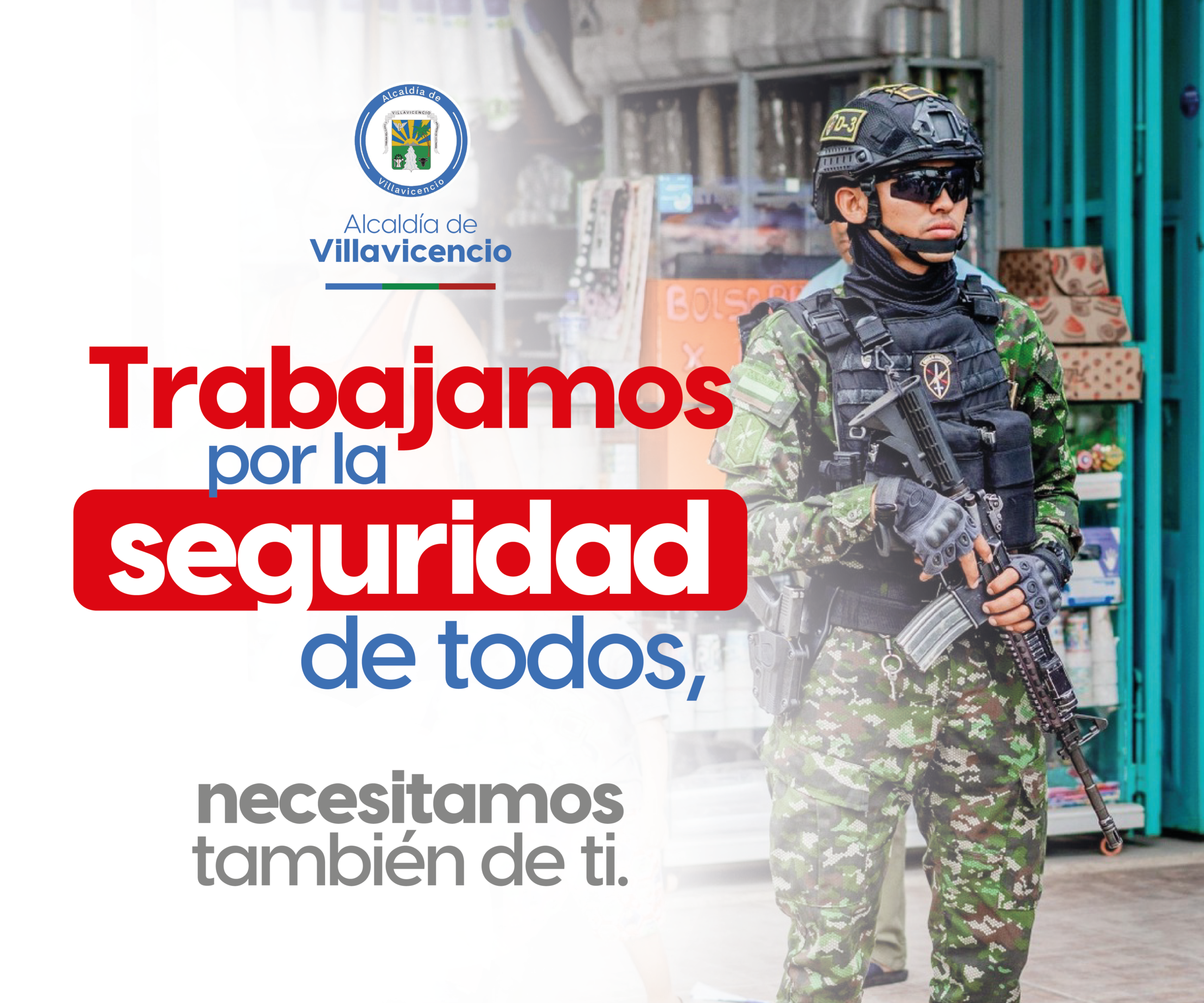
The “search block” model operates through a series of nightly cordons around known crime hotspots, combined with rapid judicial processes that allow for the swift detention of suspects. The operation leverages a dedicated task force of 150 officers, equipped with forensic units and real‑time surveillance technology. According to municipal reports, the operation has resulted in the seizure of illicit firearms, counterfeit currency, and drug stockpiles worth over 12 billion pesos.
In parallel, the city launched a series of social programs aimed at providing at‑risk youth with educational alternatives and vocational training. These initiatives are designed to address the root socioeconomic drivers that historically fed criminal recruitment. While the direct impact on crime statistics is still being evaluated, early feedback suggests a modest reduction in repeat offending among participants.
Community Response and Ongoing Challenges
The decline in violent crime has been welcomed by Sincelejo’s residents, who have reported feeling safer walking the streets and sending children to school. Local business owners note an uptick in customer traffic and a growing sense of confidence that could spur further economic development. Nonetheless, authorities caution that the progress is fragile.
sustaining the downward trend remains the primary concern. Critics point out that the operation’s reliance on intensive policing may strain community relations if perceived as heavy‑handed. Moreover, the city’s proximity to major drug‑trafficking routes means external criminal elements could adapt and seek new vulnerabilities. To mitigate these risks, the municipal government has pledged to implement transparent oversight mechanisms and to expand community policing units that operate independently of the search block.
Future Outlook and Sustainability Efforts
Looking ahead, city officials are already mapping a roadmap that balances enforcement with long‑term social investment. Plans include the creation of a “Neighborhood Safety Council” that will bring together police, civic leaders, and residents to monitor crime patterns and co‑design interventions. The council will also coordinate with regional authorities to ensure a seamless continuum of operations across departmental borders, addressing the flow of illicit actors that cross municipal lines.
Economic incentives, such as tax breaks for businesses that implement security‑focused hiring practices, are also being considered as part of a broader revitalization strategy. If these measures gain traction, Sincelejo could serve as a model for other Colombian cities grappling with similar challenges.
While the 33% reduction in homicides and related crimes marks a historic victory, the city remains aware that security is a continuous process. The combination of robust law‑enforcement actions, community engagement, and sustainable social programs offers a promising blueprint for maintaining and building upon the current gains. As Mayor Acuña emphasized, “Our goal is not just a temporary dip, but a lasting culture of peace that endures for generations.”