












Devastation Spreads Across Pereira Following 7.4 Magnitude Quake
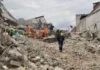
The northeastern city of Pereira was struck by a catastrophic 7.4 magnitude earthquake on Sunday, leaving a trail of destruction that will take years to recover from. Official surveys count 66 buildings completely destroyed, while another 250 structures suffered severe damage, forcing the evacuation of thousands of households. Authorities report that more than 35,000 residents have been directly affected, losing homes, businesses, and essential services.
The tremor, which lasted roughly 45 seconds, triggered landslides in nearby valleys and caused extensive damage to the city’s historic downtown. Streets that once bustled with commerce now lie littered with broken concrete, collapsed roofs, and flooded basements. The scale of the damage has been described by local officials as one of the worst seismic events to hit the region in the past decade, surpassing the impact of the 2016 earthquake that devastated nearby Manizales.
Immediate Human Impact and Community Response
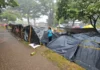
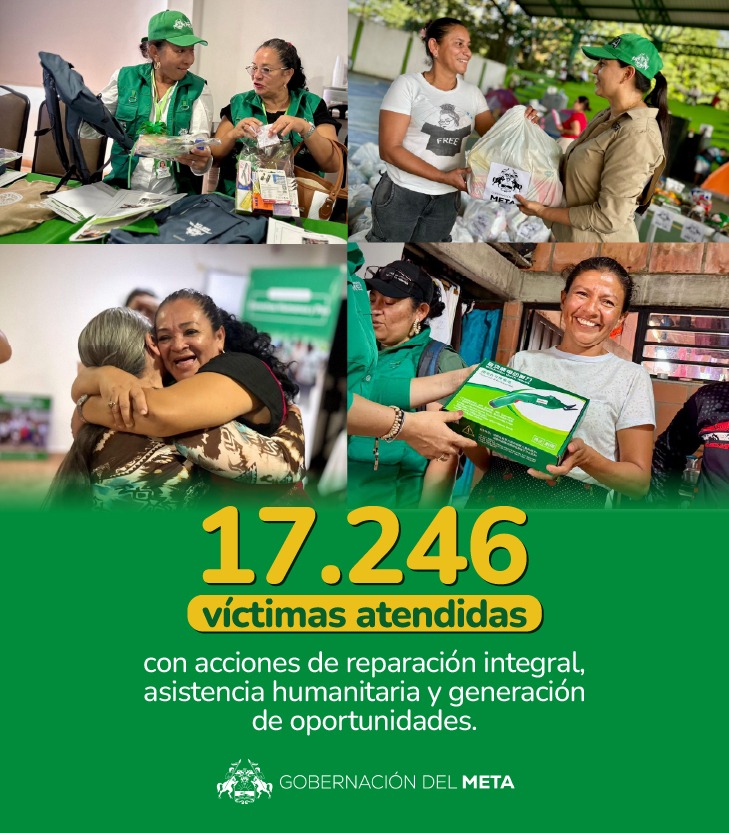
In the aftermath, a massive humanitarian effort unfolded almost instantly. Psychologists, social workers, and trained volunteers have fanned out across shelters, offering free counseling and psychological first aid to survivors coping with trauma. Municipal hospitals reported a surge in injuries ranging from broken limbs to respiratory problems caused by dust and debris. The city’s emergency centers were stretched beyond capacity, prompting neighboring municipalities to send medical teams and supplies.
The resilience of Pereira’s population has been evident. Local neighborhood associations organized impromptu food kitchens, while churches and schools opened their doors as temporary shelters. Community leaders emphasized that mutual aid and spontaneous coordination have been pivotal in keeping vulnerable families housed and fed during the first days of the crisis.
Reconstruction Plan: A $10 Trillion Endeavor
President Gustavo Petro announced a comprehensive reconstruction package worth **10 trillion Colombian pesos** (approximately US$2.3 billion) to address the immediate and long‑term needs of the affected areas. The funding will be allocated across three core pillars:
- Structural Recovery – Demolition of unsafe buildings, emergency repairs, and reconstruction of critical infrastructure such as hospitals, schools, and transportation corridors.
- Social Support – Direct financial assistance to displaced families, mental health services, and the reopening of community centers to restore a sense of normalcy.
- Economic Revitalization – Grants and low‑interest loans for small businesses, incentives for entrepreneurs to relocate, and the development of a post‑disaster investment zone to attract private sector participation.
The Ministry of Urban Development has already issued temporary building permits for emergency shelters and has fast‑tracked inspections to clear debris swiftly. Engineering firms from Medellín and Bogotá have been contracted to conduct rapid structural assessments, while international organizations such as the Inter‑American Development Bank have expressed interest in providing technical assistance.
Looking Ahead: Challenges and Opportunities
While the $10 trillion package marks a significant commitment, experts caution that the reconstruction faces substantial hurdles. Urban planners warn that rebuilding must incorporate stricter seismic codes to prevent future losses. Moreover, the logistical complexity of coordinating thousands of reconstruction projects simultaneously could lead to delays, especially given the recent shortage of qualified construction labor.
Long‑term resilience will also depend on community preparedness. Municipal authorities are launching a city‑wide earthquake resilience program, which includes regular drills, public education campaigns, and the establishment of early‑warning systems linked to existing national seismic monitoring networks.
Analysts see an opportunity to transform the disaster into a catalyst for sustainable urban development. The reconstruction effort is expected to spur green building initiatives, improve public spaces, and modernize Pereira’s transportation grid, positioning the city for a more robust and environmentally conscious future.
As the city begins the arduous process of rebuilding, residents remain hopeful that the collective strength displayed in the wake of the quake will pave the way for not just restoration, but for a stronger, more resilient Pereira that can better withstand the inevitable challenges of living in a seismically active region.