













Immediate Impact and Damage Assessment
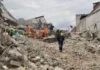
On August 17, 2026, a powerful 7.4 magnitude earthquake struck western Colombia, triggering widespread structural damage and disrupting daily life across multiple departments. The tremor affected more than 400,000 students, many of whom saw their schools reduced to rubble or rendered unsafe for occupancy. Preliminary reports from the Ministry of Education indicate that over 150 educational institutions have suffered significant damage, ranging from cracked walls to collapsed roofs, leaving a substantial portion of the student population without a classroom to attend.
The disaster also disrupted essential services linked to education, including transportation networks and digital connectivity. In many rural and peri‑urban zones, the loss of power and internet access threatens the continuity of remote learning initiatives that have become a cornerstone of the national curriculum in recent years. Immediate priorities for authorities centered on ensuring student safety, assessing the extent of infrastructure loss, and devising a rapid response strategy to keep learning on track.
Ministry’s Multi‑Layered Response Strategy
In the wake of the crisis, the Ministry of Education has unveiled a detailed plan aimed at restoring educational activities for the affected student body. The strategy comprises three core pillars: infrastructure repair and temporary learning spaces, digital access support, and psychosocial and nutritional assistance.
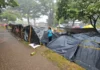
First, the ministry will allocate emergency funds to repair damaged schools and, where necessary, establish provisional classrooms in community centers, churches, and tented facilities. This effort is expected to begin within 48 hours of the disaster declaration and will involve partnerships with local governments and non‑governmental organizations. Second, recognizing that many families lack reliable internet, the ministry will seek subsidies for data plans and distribute low‑cost mobile devices to ensure that students can continue remote lessons. Third, a nationwide psychological support program will deploy counselors to the hardest‑hit regions, offering individual and group sessions to help students and teachers cope with trauma. Finally, adjustments to the national School Feeding Program will ensure that children in affected zones continue to receive nutritious meals, with flexible distribution points that can operate even when school buildings are unusable.
Psychological Support and Nutrition Adjustments
Education officials emphasized that the emotional well‑being of students is as critical as academic continuity. Under the new plan, more than 200 trained psychologists will be seconded to schools in the affected departments, providing counseling services and conducting awareness workshops on stress management. These services will be integrated into the existing school schedule, allowing teachers to focus on instruction while professionals attend to mental health needs.
Simultaneously, the School Feeding Program will be modified to accommodate disrupted routines. Mobile kitchens will be deployed to distribute meals at safe gathering points, and menus will be adjusted to meet the specific dietary requirements of children displaced from their homes. The program aims to reach over 300,000 beneficiaries in the immediate aftermath, ensuring that hunger does not become an additional barrier to learning.
Future Outlook: Rebuilding and Resilience
While the short‑term response addresses urgent needs, the long‑term vision focuses on building more resilient educational infrastructure. The ministry has announced a review of building codes and safety standards for new constructions, particularly in seismic zones. Investments will be directed toward earthquake‑proof school designs, and community emergency drills will be institutionalized to prepare students and staff for future disasters.
Analysts note that this comprehensive approach not only aims to restore the academic calendar but also to strengthen Colombia’s overall disaster preparedness framework. By integrating digital connectivity subsidies with traditional classroom restoration, the government seeks to create a hybrid model that can sustain education during crises. Education sector experts anticipate that the success of these initiatives will set a precedent for how other public services respond to large‑scale natural disasters across the nation.