














The Tremor’s Onslaught: A Historic Disaster Unfolds
On August 10, 2026, a catastrophic earthquake of magnitude 6.8 struck the southern Colombian city of Cali, unleashing a wave of chaos that reshaped lives overnight. The seismic event, one of the most severe in the country’s modern history, caused widespread structural collapse, with multi-story buildings reduced to piles of rubble in mere seconds. This was not an isolated incident; Cali had experienced tremors before, but this quake exceeded expectations in both intensity and scale. The destruction was particularly brutal in the Capri and Nuevo Rey neighborhoods, known for their denser urban development. Authorities initially struggled to coordinate the response due to damaged communication lines and overwhelmed infrastructure, leaving survivors without immediate access to aid. The tremor’s epicenter was located near the Julio Peña Boulevard, a commercial hub, which amplified the destruction in densely populated areas.
The Human Toll: Stories of Survival and Loss
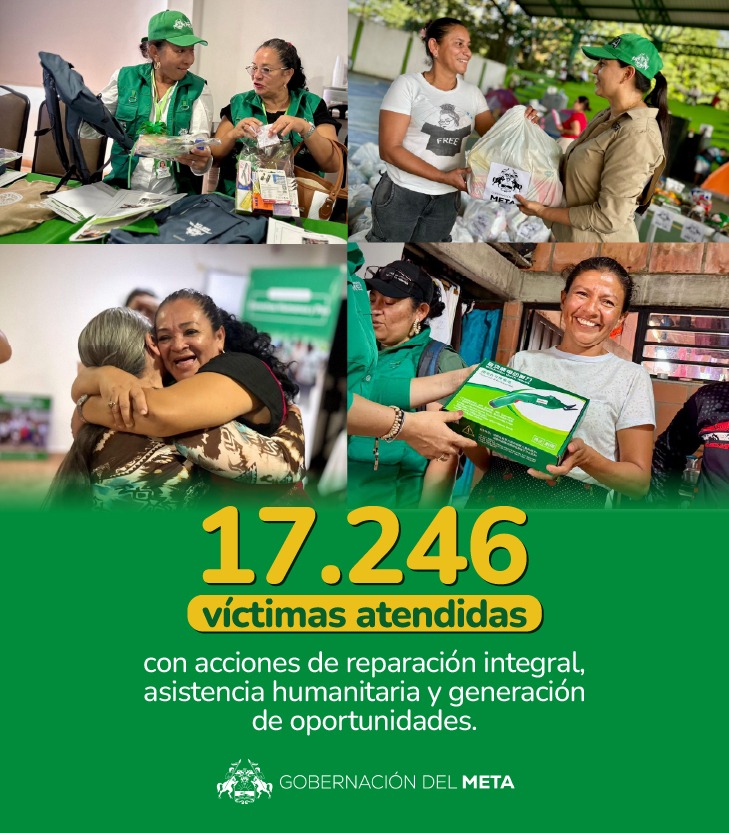
Jhon González, a local taxi driver, became a symbol of the disaster’s human cost. Trapped under the collapsed Vanessa Building, he managed to save his family by using debris to create a makeshift shelter before help arrived. Unfortunately, six of his relatives did not survive. His testimony, shared during a press briefing, highlighted the sheer randomness of survival: ‘In 10 minutes, my house was gone. I heard screams, then silence.’ Other survivors recounted similar stories, including a nurse who lost three patients trapped in the Torres del Limonar complex and an elderly man who survived by clinging to a floor beam until rescuers arrived. Meanwhile, hundreds more were displaced, forced to sleep in the streets or makeshift tents. The psychological impact has been profound, with reports of widespread anxiety and trauma among victims.
Rescue Operations in Full Swing: A Tale of Herculean Efforts
The national government and international organizations launched an unprecedented rescue mission, deploying specialized teams from Bogotá and beyond. Despite limited visibility due to chaos, 120 personnel worked 24/7 to extricate survivors from the Vanessa and Limonar buildings. Challenging conditions, including partial roof collapses and the risk of aftershocks, slowed progress. On the first day alone, rescuers saved 15 people but lost eight more due to the instability of the damaged structures. Mayor Luis المزغ, in a televised address, emphasized the need for patience: ‘We cannot abandon any survivor, no matter how deep they are buried.’ Local volunteers also played a critical role, using social media to share real-time updates, though connectivity issues sometimes hampered coordination. The operation highlighted both the resilience of Colombian citizens and the vulnerabilities exposed by the disaster.
The Aftermath and Ongoing Challenges
By the second week, the immediate rescue phase began to shift toward rehabilitation. Over 3,000 households were left without homes, with temporary shelters struggling to accommodate the displaced. The government announced financial aid packages totaling $50 million for basic needs, but many feared the funds would not reach the most vulnerable. Infrastructure damage extended beyond buildings; power outages affected 70% of the city, and water supply disruptions increased the risk of disease outbreaks. Health authorities warned of a potential surge in infections due to unsanitary conditions in overcrowded shelters. Furthermore, the earthquake exposed systemic issues in urban planning, with many high-rises in Cali lacking proper seismic reinforcements despite previous small tremors.
Looking Ahead: Rebuilding and the Road to Recovery
The long-term recovery will require a multi-phase approach. Immediate priorities include removing hazardous debris and repairing critical services like water and electricity. Urban planners are advocating for stricter building codes, particularly for high-rise structures in seismically active zones. However, skepticism surrounds the implementation of preventive measures, given Colombia’s history of delayed disaster responses. Meanwhile, psychological support programs are being expanded to address the trauma of survivors, a step often overlooked in previous crises. The international community has offered technical assistance, with offers of aid from Mexico and Peru already accepted. Yet, local leaders stress that the primary focus must remain on the victims and their immediate needs. As the dust settles, the question remains: Will this disaster serve as a wake-up call for Colombia’s preparedness, or will it become another footnote in the country’s history of seismic vulnerability?